The Rise of Kitchen Gadgets in E-commerce
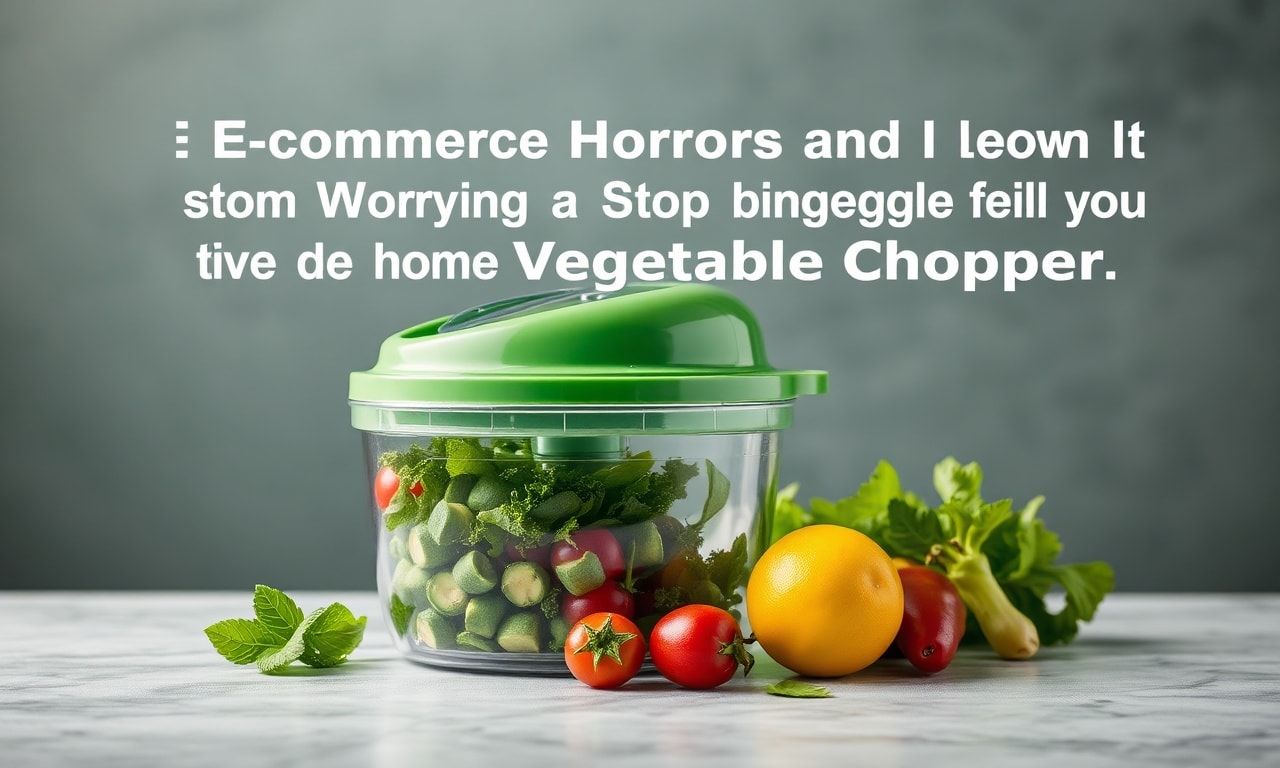
The e-commerce landscape has witnessed a significant surge in the popularity of kitchen gadgets. From innovative tools like the VeggieChoppers to classic items like spatulas and whiskers, these products have become a staple in online shopping carts. This trend can be attributed to several factors, including the rise of home cooking shows, the influence of social media, and the growing interest in healthy eating. As an e-commerce entrepreneur, understanding this market can open up lucrative opportunities for your business.
Understanding Your Target Audience
Before diving into the world of selling kitchen gadgets online, it’s crucial to understand your target audience. Who are they? What are their needs and preferences? Typically, your customers will fall into one of several categories:
- Home cooks looking to simplify their cooking processes
- Professional chefs seeking high-quality, durable tools
- Health-conscious individuals interested in gadgets that promote healthy eating
- Gift shoppers looking for unique and practical presents
By identifying your target audience, you can tailor your product offerings and marketing strategies to meet their specific needs. Conducting market research, analyzing customer reviews, and leveraging social media insights can provide valuable information about your potential customers.
Choosing the Right Products to Sell
With a vast array of kitchen gadgets available, selecting the right products to sell can be overwhelming. To make informed decisions, consider the following factors:
Market Demand
Research the current market trends to identify which kitchen gadgets are in high demand. Tools like Google Trends, Amazon Best Sellers, and eBay’s Trending Items can provide valuable insights. For instance, products like the VeggieChoppers have gained popularity due to their ability to simplify food preparation.
Product Quality and Durability
Ensuring that your products are of high quality and durability is essential for customer satisfaction and repeat business. Invest in reliable suppliers and conduct thorough quality control checks before listing your products online. High-quality products also help in building a positive brand reputation, which is crucial for long-term success in e-commerce.
Pricing Strategy
Determine a competitive pricing strategy that considers factors such as production costs, shipping fees, and market competition. Offering competitive prices can attract more customers, but ensure that your pricing strategy is sustainable and profitable. Additionally, consider offering discounts, bundle deals, and seasonal promotions to boost sales and customer loyalty.
Building a Strong Online Presence
Creating a strong online presence is vital for attracting and retaining customers. Here are some strategies to enhance your e-commerce website’s visibility and credibility:
Search Engine Optimization (SEO)
Optimize your website for search engines to improve your rankings and drive organic traffic. Conduct keyword research to identify relevant keywords and incorporate them into your product descriptions, blog posts, and meta tags. Regularly updating your content and ensuring your website is mobile-friendly can also improve your SEO performance.
Social Media Marketing
Leverage social media platforms to promote your products and engage with your audience. Share high-quality images, videos, and customer testimonials to showcase your products’ features and benefits. Collaborate with influencers and food bloggers to reach a wider audience and build credibility. Additionally, consider running social media ads to target specific demographics and increase your reach.
Content Marketing
Create valuable content that educates and informs your audience about kitchen gadgets. Publish blog posts, how-to guides, and product reviews to establish yourself as an authority in the industry. For example, you can write about the benefits of using VeggieChoppers or provide tips on choosing the right kitchen tools. Engaging content can drive traffic to your website and improve your search engine rankings.
Navigating Legal and Financial Considerations
Running an e-commerce business involves navigating various legal and financial considerations. Understanding these aspects can help you avoid potential pitfalls and ensure the smooth operation of your business.
Business Registration and Licensing
Register your business and obtain the necessary licenses and permits to operate legally. The requirements vary depending on your location and the nature of your business. Consult with a legal professional to ensure compliance with local regulations and avoid potential legal issues.
Liability Insurance
Protect your business with liability insurance to cover potential risks such as product liability claims, property damage, and personal injury. A comprehensive liability insurance policy can provide financial protection and peace of mind. For more information on liability insurance, refer to a liability insurance legal guide to understand the different types of coverage and choose the right policy for your business.
Tax Obligations
Understand your tax obligations and ensure timely and accurate tax filings. Consult with a tax professional to determine the applicable taxes, such as sales tax, income tax, and value-added tax (VAT). Maintaining accurate financial records and staying compliant with tax regulations can help you avoid penalties and legal issues.
Providing Excellent Customer Service
Delivering excellent customer service is crucial for building customer loyalty and positive word-of-mouth referrals. Here are some strategies to enhance your customer service:
Responsive Communication
Respond promptly to customer inquiries and complaints to demonstrate your commitment to customer satisfaction. Use multiple communication channels, such as email, live chat, and social media, to provide convenient and efficient support. Training your customer service team to handle inquiries professionally and empathetically can also improve customer satisfaction.
Easy Return and Refund Policies
Offer clear and fair return and refund policies to build customer trust and confidence. Ensure that your policies are easily accessible on your website and provide step-by-step instructions for returning products. Processing returns and refunds promptly can enhance customer satisfaction and encourage repeat business.
Customer Feedback and Reviews
Encourage customers to leave feedback and reviews to gather insights into their experiences and identify areas for improvement. Responding to negative reviews professionally and addressing customer concerns can demonstrate your commitment to customer satisfaction. Positive reviews can also serve as social proof and attract new customers to your business.