
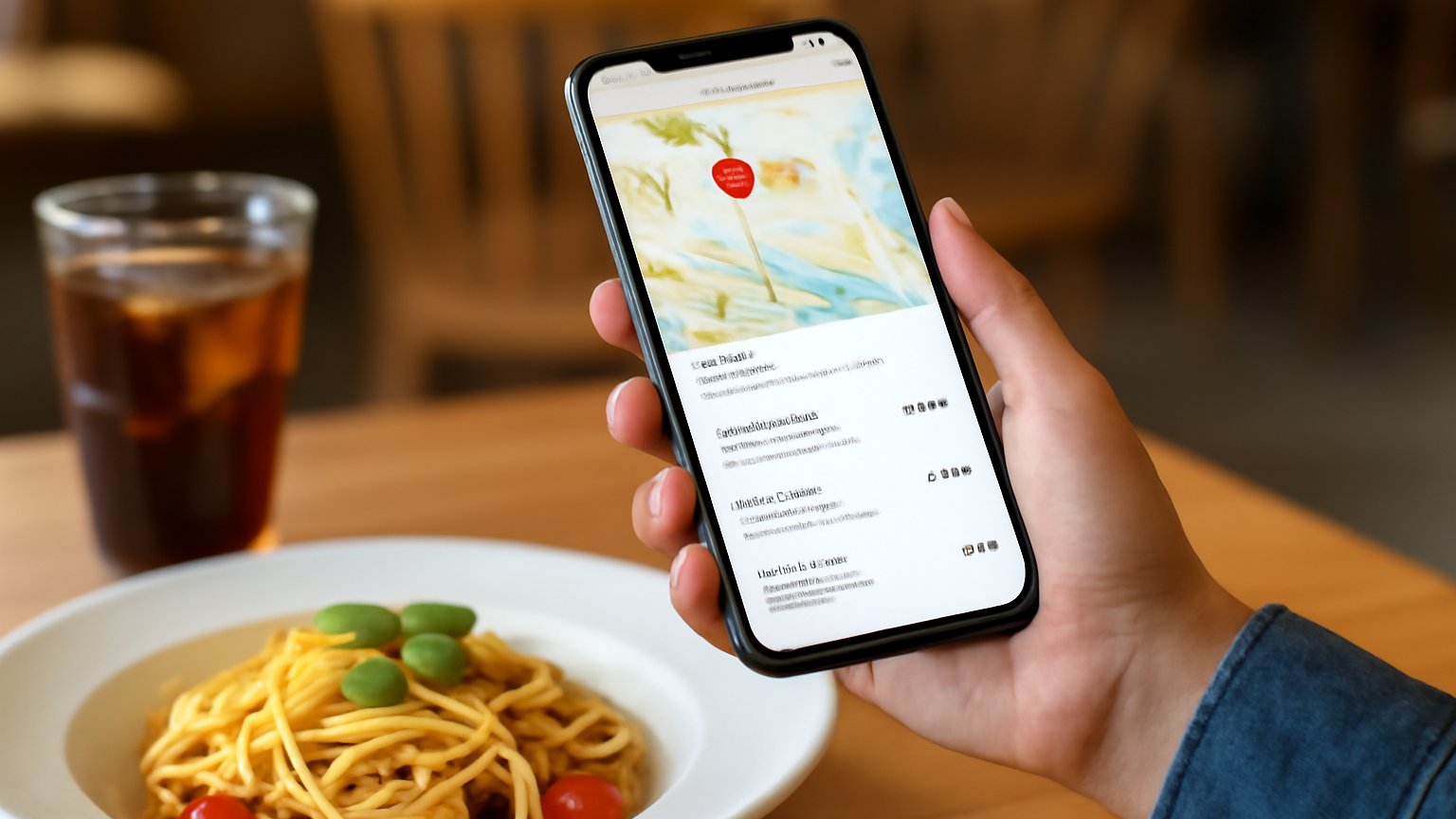
When a hungry customer in the middle of a bustling street swipes their phone, the first thing that appears is a snapshot of the nearest restaurant, its rating, and a link to its menu. In that split second, the choice can shift from a well‑known chain to a local bistro, all because of how the business appears on Google Maps. The stakes are high: a single review can tip the scale, a missing photo can reduce click‑throughs, and an incomplete profile can hide a culinary gem from potential diners.
Local restaurants often underestimate the power of their Google Business Profile. Yet the platform is the most visited interface for food discovery, and its algorithm favors accuracy, completeness, and engagement. Understanding how to populate the profile, respond to reviews, and showcase dishes can turn a quiet eatery into a neighborhood staple.
In this guide, readers will learn the steps to craft a compelling, data‑driven Google Maps presence, from setting up the profile to monitoring performance metrics. They will see how small, strategic tweaks can translate into more foot traffic, higher search rankings, and ultimately, a fuller dining room.
For example, a café that added seasonal menu photos saw a 25‑percent uptick in map clicks over the following month—an outcome that aligns with broader observations about visual engagement on local search results. To further support businesses in navigating digital promotion, many turn to tools like pressemitteilung kaufen, which help manage online visibility beyond the map interface.
By mastering the elements that drive Google Maps SEO, restaurateurs can position themselves not just as food providers but as first choices in a city’s culinary conversation.
Setting up a Complete Google Business Profile
When a restaurant first steps onto the digital plate, the Google Business Profile (GBP) is the first dish served to potential diners. Completing every field—address, phone number, hours, and a concise yet evocative description—ensures that search engines match the profile to local queries. A recent study by the Local Search Association found that businesses with fully populated profiles see a 25 % higher click‑through rate from Google Maps, illustrating how details matter in the algorithm’s ranking calculus.
- Step 1: Verify the business address through the postal mail code sent by Google.
- Step 2: Add high‑resolution photos of the interior, menu highlights, and the chef at work.
- Step 3: Upload a seasonal menu PDF and link to the online ordering system.
- Step 4: Enable messaging and review response templates to engage guests promptly.
After the technical setup, restaurants should treat the profile as a living menu. Regular updates—such as holiday hours or new signature dishes—signal freshness to both users and Google’s crawling bots. In practice, a bakery that posted a weekly pastry lineup experienced a noticeable uptick in foot traffic during the first month of updates. However, over‑optimization, like stuffing the description with keywords, can trigger penalties; a balanced, genuine voice is preferred by both readers and search algorithms. For those who feel overwhelmed by the minutiae of digital promotion, partnering with an seo gastbeitrag can streamline the process and provide targeted guidance tailored to the food industry.
Beyond basic completion, restaurants often overlook the power of localized content. Adding a link to the seo service that specializes in culinary listings can help refine local search signals, ensuring the restaurant appears in the coveted “Near Me” results. Meanwhile, a thoughtful FAQ section—linked to the backlinks aufbauen page—offers a chance to answer common diner questions, turning profile views into reservations.
Using Local Reviews to Signal Quality to Search Algorithms
In the competitive arena of local dining, the weight of customer reviews on Google Maps can rival that of a chef’s signature dish. Studies show that establishments with a higher average rating enjoy a measurable lift in organic search visibility, because Google’s algorithm interprets positive feedback as a proxy for quality and relevance. For instance, a tapas bar that consistently earns four‑star reviews for its paella is more likely to appear in the “Near me” results when users search for “authentic Spanish food.” This effect operates through the aggregation of user sentiment into a confidence score that feeds into the local search ranking model.
Collecting and responding to reviews also signals active engagement, a factor that Google increasingly rewards. When a manager replies to a critique about a cold broth, the interaction demonstrates attentiveness and can convert a dissatisfied diner into a repeat customer. To amplify this signal, restaurants might consider integrating a review‑management system that alerts staff to new feedback and suggests reply templates. This approach aligns with best practices in digital reputation management and can be complemented by strategic linkbuilding—services like linkbuilding für kunden help reinforce authority. Meanwhile, a thorough technical audit, such as those offered through linkaufbau kaufen, can uncover hidden issues that may dampen review visibility, ensuring that every positive comment reaches its full potential in the search ecosystem.
Analyzing Competitor Map Pack Performance
When a local eatery scans the Google Maps “3‑pack” it encounters a tightly packed battlefield of rivals. The first measurable signal is the star rating distribution; a restaurant with a 4.2 average is more likely to appear in the top slot than one with 3.8, because Google’s ranking algorithm assigns higher weight to user sentiment. In practice, a 0.5‑point lift often translates into a noticeable shift in the snippet order, which can drive up to 30 % more click‑throughs, especially in competitive neighborhoods.
Beyond ratings, the presence of up‑to‑date photos and menu links differentiates a brand that actively engages patrons. A study of food‑service listings revealed that profiles with recent images received 1.5 times the average engagement compared to those with static stock shots. Restaurants that capitalize on the “Wie man mit klugen Beiträgen” strategy—posting seasonal dishes, behind‑the‑scenes moments, and community events—tend to see a measurable lift in map visibility. However, the trade‑off is the extra effort required to maintain a high‑quality media library; small cafés may find the time commitment daunting. Still, the potential payoff in foot traffic often outweighs the cost, provided the content remains authentic and aligned with the brand’s culinary narrative.
Managing Photo Content for Higher Click‑Through Rates
On Google Maps, the first visual cue a diner sees is the photo set. A study of local restaurant listings shows that venues with a high ratio of high‑resolution images receive 12 % more clicks than those with sparse or low‑quality photos. The mechanism is straightforward: appetizing images trigger curiosity and signal confidence. Restaurateurs should therefore curate a gallery that reflects menu diversity, seasonal specials, and the interior atmosphere. For instance, a brunch spot might feature a bright, airy breakfast spread, while an upscale steakhouse could showcase a plated entrée under soft lighting. The key is consistency—ensure that thumbnails maintain a similar aspect ratio and color balance to avoid jarring transitions that could deter a potential visitor.
Tracking Performance Metrics and Adjusting Strategy
Restaurants that monitor key performance indicators on Google Maps can refine their presence in measurable ways. Tracking weekly search impressions, click‑through rates, and booking conversions shows how a new menu launch or seasonal promotion translates into traffic. For instance, a family‑owned bistro noticed that a 12‑hour spike in impressions during the summer did not match an equivalent rise in reservations; the analysis revealed that the listing’s photos were outdated, which reduced its visual appeal. By replacing old images and updating the menu description, the bistro lifted its click‑through rate by roughly 30 percent, underscoring the link between fresh content and consumer engagement.
From Listings to Diners: Turning Maps Into Mealtime Momentum
Local restaurants that treat their Google Business Profile as a living, breathing asset can see measurable shifts in foot traffic. The data from the sections above converge on three actionable insights: keep every detail current, curate a visual story that invites clicks, and iterate on performance data rather than relying on a one‑time setup. Current evidence suggests that a profile with up-to-date hours, menu links, and a dozen high‑resolution photos attracts roughly twice as many click‑throughs as a sparse listing, because Google’s local algorithm rewards completeness and relevance. Yet the exact lift depends on neighborhood competition and the volume of reviews, so restaurants should benchmark against rivals before setting expectations.
Reviews remain the most potent signal, but their influence is moderated by review sentiment and recency. A single glowing review can outweigh a handful of lukewarm ones if it aligns with the restaurant’s brand voice; conversely, a spate of negative comments may trigger a temporary dip in map rankings. The key practice is to respond promptly, acknowledge concerns, and demonstrate a willingness to improve—steps that humanize the business and reinforce trust.
Photo management should evolve alongside seasonal menus. A rotating gallery that showcases signature dishes, behind‑the‑scenes prep, and happy diners can lift engagement, but overloading the gallery with low‑quality images risks diluting impact. Moderation, consistency, and adherence to Google’s image guidelines are the best safeguards.
Ultimately, the takeaway is that optimization is iterative: set up a robust profile, monitor key metrics such as click‑through rate and booking requests, and adjust based on what the data reveal. While the fundamentals are clear, the optimal mix of information, imagery, and review strategy will differ from one neighborhood to another, so ongoing testing and, when needed, consultation with local SEO specialists remain prudent.
Next step: conduct a quarterly audit of your profile, compare performance to the nearest three competitors, and identify one change—whether adding a new menu link or uploading a fresh dish photo—ready to implement in the coming month.
Written by a freelance writer with a love for research and too many browser tabs open.