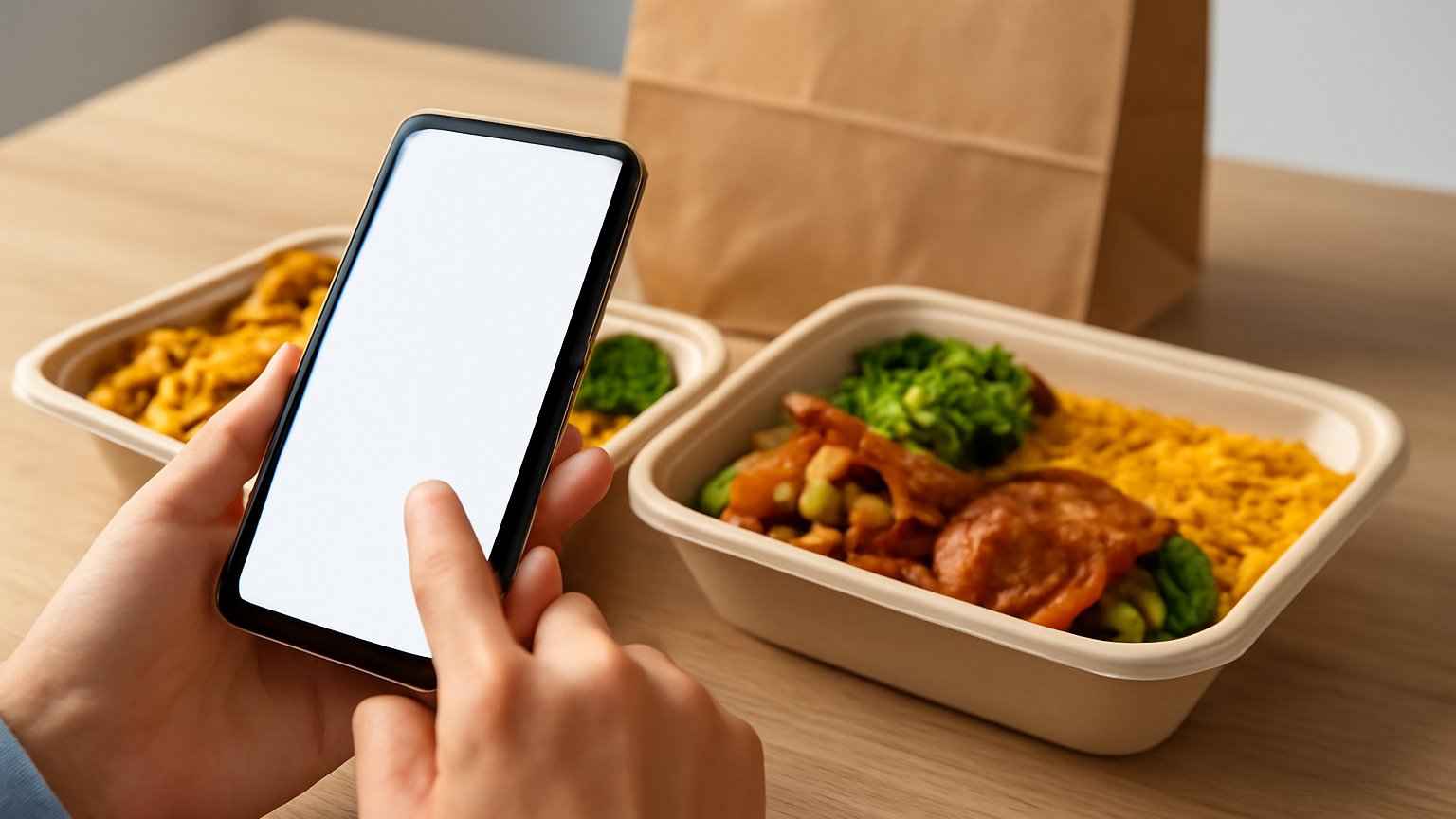
The world's culinary map is shrinking, and our plates are getting a lot bigger. With just a few taps on our smartphones, we can summon a taste of Tokyo, devour a spicy curry from Mumbai, or savor a classic pasta dish from Rome. But behind this seamless global food delivery lies a web of complex logistics, technological wizardry, and a commitment to authenticity.
As people increasingly seek out unique flavors and regional specialties, the demand for international food delivery has never been higher. But what happens when flavors and ingredients need to traverse not just miles, but borders, cultures, and traditions? How do food delivery services ensure the dishes we receive remain true to their origins, and the taste of authenticity remains intact? A crucial question that lies at the heart of the global food delivery business – one that requires the marriage of technology, taste buds, and trust.
Take, for instance, the importance of verifying the identity of customers and food establishments. An sms verification service with international numbers helps to build trust with customers and partners, ensuring seamless communication across borders. For a business like FoodExpress, a leading international food delivery platform, authenticity is not just a matter of taste, but also a matter of reputation and customer satisfaction.
Beyond Borders: The Rise of International Food Delivery
Beyond Borders: The Rise of International Food Delivery
As the world becomes increasingly interconnected, international food delivery services have seen a significant surge in popularity. With the rise of platforms like otp verification api for apps, verifying identities and enabling seamless transactions, food enthusiasts can now indulge in a global culinary experience from the comfort of their own homes.
- ✅ Explore cuisine from diverse cultures, previously inaccessible due to geographical constraints
- ⚡ Take advantage of innovative technologies like sms verification platform for businesses, enhancing security and convenience
- 💡 Discover unique recipes and cooking techniques, expanding your palate and repertoire
From authentic Korean BBQ to traditional Indian curries, the options are endless. With international food delivery, you can sample flavors from around the world, all from the comfort of your own kitchen.
| Platform | Pricing | Delivery Time |
|---|---|---|
| Food Panda | $3-$10 | 40-60 minutes |
| Uber Eats | $5-$15 | 30-50 minutes |
| Grubhub | $8-$20 | 30-60 minutes |
When ordering from international food delivery services, be sure to check the menu offerings, pricing, and estimated delivery times to ensure a smooth and enjoyable experience. Don't miss out on the chance to explore the world of flavors, right at your doorstep!
The Technology Behind Taste: How Food Authentication Works
The Technology Behind Taste: Unraveling Food Authentication
The process of food authentication begins with a dash of technology. One crucial step is verifying the sender's identity, ensuring that the food is coming from a legitimate source. This is where an instant sms verification service comes in handy, allowing restaurants to authenticate customers and orders with a click of a button.
- ✅ Use two-factor authentication to prevent unauthorized access to your ordering system.
- ⚡ Implement a secure payment gateway to protect customer financial information.
- 💡 Regularly update your system with the latest security patches to avoid potential vulnerabilities.
| Authentication Method | Description |
|---|---|
| QR Code Scanning | Quick and secure way to authenticate customers, eliminating the need for manual entry. |
| OTP (One-Time Password) | Generated code sent via SMS or email, providing an additional layer of security for online orders. |
| Biometric Authentication | Facial or fingerprint recognition technology, adding an extra level of security for in-store transactions. |
Each of these methods offers a unique set of benefits and drawbacks. Restaurants must carefully evaluate their needs and preferences when choosing the most suitable option for their food authentication process.
Globalization Goes Down to the Last Bite: Regional Flavor Provenance
Globalization Goes Down to the Last Bite: Regional Flavor Provenance
As the culinary landscape continues to evolve, the importance of regional flavor provenance has become increasingly crucial. Consumers are no longer satisfied with generic, mass-produced food; instead, they crave unique, locally-sourced ingredients that reflect the distinct character of each region. To cater to this demand, international food delivery services have risen to the challenge, offering authentic regional flavors that transport customers on a gastronomic journey.
- ✅ Research local food laws and regulations to understand the authenticity of regional flavors.
- ⚡ Collaborate with local chefs and food experts to create authentic regional dishes.
- 💡 Consider using SMS verification service with international numbers to verify the authenticity of orders.
- 📌 Leverage social media platforms to engage with consumers and showcase the authenticity of regional flavors.
- 🎯 Develop a robust quality control system to ensure consistency in flavor and quality.
For instance, Japanese food delivery services often partner with local fishermen to source the freshest seafood, while Indian services collaborate with local spice merchants to create authentic curries. By understanding the nuances of regional flavors, international food delivery services can create an immersive culinary experience that transports customers to the heart of each region.
The Benefits of Regional Flavor Provenance
| Benefits | Features |
|---|---|
| Authenticity | Transparency in sourcing and supply chain practices |
| Immersive culinary experience | Collaboration with local chefs and food experts |
| Cultural significance | Use of local ingredients and cooking techniques |
By embracing regional flavor provenance, international food delivery services can create a truly immersive culinary experience that not only delights the taste buds but also transports customers on a cultural journey.
The Trust Factor: Understanding the Role of Authentication in Food Safety
The Trust Factor: Understanding the Role of Authentication in Food Safety
Food authentication is a crucial aspect of the food industry, ensuring the safety and quality of the products that reach consumers. Without proper authentication, counterfeit or contaminated food products can make their way into the global food supply chain, posing significant health risks. To mitigate these risks, international food delivery services must prioritize authentication and verification processes.
- ✅ Regularly inspect food suppliers and distributors
- ✅ Implement robust quality control measures
- ✅ Train staff on authentication and verification procedures
One such solution is the use of an sms verification service with international numbers, allowing for secure and trusted communication between consumers and food delivery services. This approach helps prevent food contamination and fraud by verifying the authenticity of products and tracing their origin.
| Authentication Method | Benefits |
|---|---|
| Biometric Authentication | Highly secure and reliable |
| QR Code-based Verification | Easy to implement and track |
| Machine Learning-based Systems | Improved accuracy and speed |
Effective authentication and verification processes require a multi-faceted approach, incorporating various technologies and strategies. By prioritizing food safety and authentication, international food delivery services can not only protect consumers but also build trust and loyalty with their customers.
Savoring the Details: Why the Authenticity of Ingredients Matters Most
Savoring the Details: Why the Authenticity of Ingredients Matters Most
The global flavor exchange has led to a culinary explosion of flavors, with international cuisines influencing local dining scenes worldwide. As we delve into the world of international food delivery, it's essential to consider the authenticity of ingredients in each dish.
Foodies and cooking enthusiasts will appreciate the attention to detail that goes into sourcing high-quality ingredients, often at an added cost. The trade-off is a more authentic flavor profile that showcases the true essence of each culinary tradition. For instance, a perfectly cooked sushi roll requires the finest Japanese rice, fresh fish, and precise preparation methods.
- ✅ Research local producers and suppliers to ensure authenticity and quality.
- ⚡ Consider the cultural context and traditions behind each ingredient.
- 💡 Be willing to pay a premium for high-quality ingredients that make a difference in the final product.
Avoiding the use of low-quality ingredients, such as artificial preservatives and flavor enhancers, is crucial in maintaining the authenticity of international flavors. By doing so, we can appreciate the rich cultural heritage and culinary traditions that make each dish unique.
| Ingredient | Authenticity Level | Impact on Flavor |
|---|---|---|
| Organic herbs | 9/10 | Enhances flavor and aroma |
| Locally sourced produce | 8.5/10 | Improves texture and freshness |
| Sustainable seafood | 9.5/10 | Ensures freshness and reduces environmental impact |
A Flavorful Future Ahead
The secret to seamless authentication in international food delivery lies not just in technology or taste, but in the delicate balance between tradition and innovation.
As the world continues to shrink and flavors blend together, one thing remains clear: authenticity matters most. Regional flavor provenance, once a minor detail, has become the linchpin of trust in the global food market.
So what does the future hold for this flavorful fusion? Will the rise of global food delivery continue to push the boundaries of what we consider 'taste,' or will concerns over authenticity and safety bring us back to the drawing board?
One thing is certain: the global flavor exchange is here to stay, and its future will be shaped by the choices we make today.
— The question is, will we bite?
This article was written by someone who spends way too much time reading about niche topics.