

7 min read · Updated: 2026-10-13
You don’t need mystery to sell used kitchen gear. This guide gives a clear path for veggiechoppers readers: what to know, where to start, and how to do it safely in the USA. By focusing on practical steps, you’ll move from curiosity to action without losing time or compromising quality.
First, pick items that still perform well in the kitchen and are easy to describe. Next, assess their condition honestly and photograph them well to show real value. Finally, choose a reputable route that fits your schedule and budget, from local exchanges to trusted online marketplaces.
You’ll learn what to avoid, how to price fairly, and how to protect yourself and your buyers. The goal is to turn pantry or prep room clutter into usable tools for someone else, while keeping your cooking space clear.
- Know which items hold value and how to describe them well.
- Choose the best platform for your time and space.
- Protect yourself with clear terms and records.
- Price realistically and be ready to adjust as needed.
Basics of selling used items
What to assess first
Start with safety and function: check electrical cords, seals, and missing parts. Describe any wear honestly in the listing. A well-lit, clutter-free photo helps buyers trust the item and decide faster. sell second-hand items in the USA
Keep a simple inventory note: item type, brand (if relevent), condition, and any flaws. This makes it easier to respond to questions without delaying the sale.
Price for realism: compare similar items in similar conditions to set a fair, competitive price. Consider offering a small discount for quick pickup to speed the transaction.
- List key flaws upfront
- Provide measurements and capacity
- Offer local pickup options
- Include original manuals if available
- Show multiple angles of the item
Finding the right platform

Choosing a selling route
Local exchanges offer fast turns and direct handoffs, which minimizes shipping hassles. Online marketplaces broaden reach but require careful communication and shipping considerations. For kitchen gear, balance speed, safety, and cost when selecting the path. A useful resource on this topic: latest crime news.
Think about your time and space: longer lists may attract more buyers but require more effort to manage inquiries. Short, honest listings often attract faster, more reliable responses.
Test a single platform first to learn the rhythm of postings, photos, and replies before expanding to others, to avoid scattering your effort.
- Local pickup linchpins
- Shipping costs and safety
- Response timing matters
- Photos carry weight
- Clear refund policy
Safety and trust for buyers
Protecting yourself and buyers
Vet buyers by asking location and preferred pickup method. Use tracked shipping for fragile items and keep a record of transaction details. Clear terms reduce disputes and build trust. A useful resource on this topic: list your event in the USA.
Describe return risks and terms up front so both sides know what to expect. Keep communications in the platform’s inbox to have a record.
Offer evidence of cleanliness and safe handling in your listing, such as a wiped-down surface and functioning parts.
- Document item condition with photos
- Use insured shipping when needed
- Meet in public, daytime locations
- Keep receipts and messages
- Avoid cross-border shipments when unsure
| Method | Pros | Cons |
|---|---|---|
| Local pickup | Faster handoffs, no shipping | Requires meeting in person, limited reach |
| Online marketplace | Wider audience, easier payment | Shipping and handling risk |
| Consignment store | No upfront effort | Less control over price and timing |
Offer bundles or discounts for multiple items to boost the final sale and simplify logistics.
Pricing and post-sale tips

Setting a fair price
Begin with a realistic baseline by comparing similar items on the same platform. Account for wear, age, and whether parts are missing or replaced. A modest initial price can attract quicker offers and save you time. A useful resource on this topic: business directory in the USA.
- Start with a fair, visible price
- Mention any included extras
- State a willingness to negotiate within reason
Offer bundles or discounts for multiple items to boost the final sale and simplify logistics. Mention any flexibility clearly in the listing.
Be ready to adjust: if you aren’t receiving inquiries after a week, rephotograph or restate the listing to rekindle interest.
- Benchmark against similar listings
- Highlight flexible terms
- Offer small bundles
- Respond promptly to inquiries
- Adjust price when warranted
Legal and platform rules
Platform rules and regional limits
Understand each platform’s terms and the region in which it operates. Some sites restrict certain items to specific countries or require seller verification, which can affect what you list and how you ship. Always review prohibitions and documentation needs before listing anything from the kitchen to vintage cookware. death notices in the USA
Check two or three platforms for cross-posting potential, noting differences in listing formats, fees, and customer protections. This helps you choose where to start and where to expand if your item is in demand. Keeping notes on each policy saves time when you refresh listings.
Record keeping matters: preserve receipts, photos, and any messages about the sale. If a dispute arises, you can reference this information to show item condition and delivery details. This practice reduces the likelihood of misunderstandings with buyers.
- Know what is allowed where you live
- Check buyer protection rules before listing
- Keep detailed records for every item
- Respect platform-specific shipping and payment rules
Shipping and handling
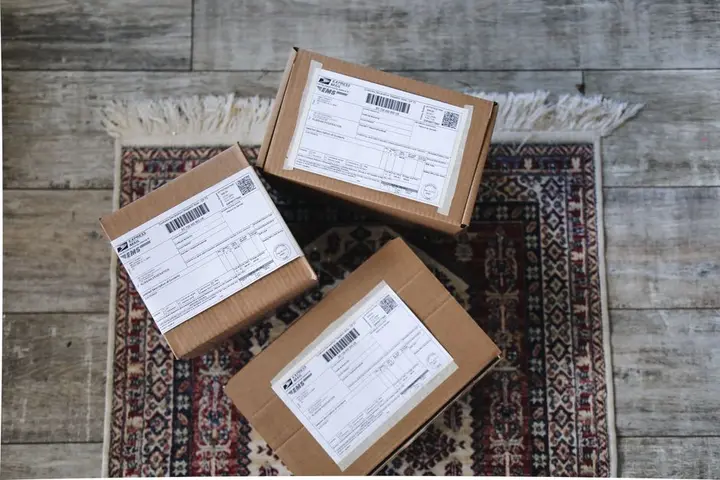
Preparing items for transit
Pack fragile ingredients and kitchenware with care to minimize movement during transit. Use sturdy boxes, padding, and double-boxing for breakables like glass jars or ceramic bowls. Label packages clearly to prevent rough handling and misdelivery.
- Select proper packaging for each item type
- Weigh and measure for accurate rates
- Capture a delivery-ready photo set
Include accurate dimensions and weight when calculating shipping costs to avoid surprises for buyers. If an item is large or heavy, offer options like regional carriers or in-person pickup to balance cost and speed. Clear packaging reduces damage disputes after delivery.
Keep a simple packing checklist: wrap, seal, measure, photograph before sealing, and note any pre-existing damage. This creates a trail you can reference if questions arise after the email notification of delivery.
- Use protective padding for delicate items
- Choose appropriate boxes and sealing materials
- Photograph packaging before shipping
- Provide tracking information promptly
Ethics and environmental impact
Responsible selling practices
Consider the environmental impact of your process, from packaging to transport. Opt for recyclable materials and consolidate shipments when possible to reduce waste. Buyers appreciate clear, honest notes about the item’s vintage wear and history.
Be transparent about provenance and condition. If an item has repairs or alterations, describe them factually and show photos from multiple angles. This builds trust and reduces the need for back-and-forth questions.
Practice fair pricing that reflects condition and demand rather than inflating prices for quick sales. This favors repeat customers and positive reviews over short-term gains.
- Choose recyclable packaging when possible
- Consolidate shipments to save resources
- Provide honest item histories
- Price fairly based on condition and demand
How to reuse once sold

Post-sale reuse ideas
Offer sellers tips on how to repurpose sold items, turning leftovers into new dishes or upcycling components into something usable. For example, wooden utensils can become plan markers, or vintage jars can house pantry staples in new kitchens. This approach keeps items circulating and reduces waste.
Suggest care instructions and future-dating for buyers who want to extend the life of the item. A simple maintenance routine can save users money and time by preventing early wear.
Encourage buyers to host a small, local swap or donate used items to community kitchens if they don’t suit their needs. This creates a cycle of reuse that benefits neighbors and the wider food culture.
- Offer practical reuse ideas
- Provide maintenance tips
- Promote local sharing or donation
Frequently asked questions
Do you need a business license to sell second-hand items from home?
Most casual sellers operate without a formal license, but rules vary by city and platform. Check local regulations and the terms of service for the site you use. If sales are frequent or reach a certain threshold, you may need to register for taxes or a business license in your area.
What should I do if a buyer claims the item was not as described?
Respond promptly with documentation, including photos and the listing description. Offer a fair resolution based on platform policies, such as a return or partial refund, to preserve seller credibility.
Are there risks selling fragile kitchenware online?
Yes. Fragile items can break in transit. Use sturdy packaging, double-boxing if needed, and insured shipping when possible. Clear photos of the item before shipping help prove its condition.
Is it better to sell locally or nationally?
Local sales reduce shipping costs and delays, while national reach can increase audience size. Start with local markets or regional platforms to build experience, then expand if demand justifies the effort.
Final reflections and next steps
Trading used kitchenware connects cooking communities and reduces waste, but it works best when you’re transparent about condition, costs, and timing. Build a repeatable routine, from listing to delivery, and keep a clear record of every step. That structure makes the experience smoother for you and your buyers.
Start small with a few items, learn from the process, and gradually expand. Track what works—photos, descriptions, timelines—and adjust your approach so every sale feels straightforward and fair for everyone involved.


