

8 min read · Updated: 2026-10-14
Running a kitchen means handling more than recipes. If you source ingredients from abroad or partner with local suppliers, you may need to understand Danimarka's company registration and how it affects permits, contracts, and invoices. This guide translates the basics into kitchen-ready steps, with real-world examples that matter to cooks, restaurateurs, and food writers alike.
Next, we map the basics to practical tasks: what to ask a supplier, how to verify paperwork, and where to get reliable information without jargon. You’ll learn which documents matter for simple purchases and which rules surprise most small businesses. The goal is to keep your orders flowing smoothly while staying compliant and informed.
Finally, we connect these rules to everyday cooking life. From invoicing for a pop-up to signing a catering contract, correct registration helps you avoid delays and disputes. You’ll gain confidence in spotting red flags and in making informed decisions that protect your kitchen and your guests.
- Understand the basics of business registration and why it matters for kitchens.
- Verify supplier documents and terms before placing orders.
- Choose between direct sourcing and distributors based on your menu and capacity.
- Keep records organized to simplify audits and future growth.
Basics of registration
Regulatory scope for kitchens
Registration determines who can legally run a food business and what licenses are required to sell meals or stock ingredients. It affects routine tasks like invoicing and tax reporting. Understanding the basics helps avoid fines and wasted time when you’re planning a new menu or pop-up. Danimarka'da şirket kaydı is the first hurdle that shapes how you do business with suppliers.
For a small cafe or home kitchen turning commercial, the paperwork starts with a business registration and may include food safety registrations. Knowing which forms to file saves last-minute stress before opening night.
In practice, set up a simple checklist for registrations: confirm business type, ensure food handling credentials, and note which permits your city requires.
- Choose the correct business structure
- Keep food safety certificates current
- Record supplier licenses
- Understand VAT and invoicing basics
What needs filing when you start
When you open a food business, you must file for the right licenses and registrations. This keeps your kitchen legally ready for daily operations and seasonal events. The aim is smooth sourcing and timely invoicing from day one.
Some items are universal, like a basic food safety plan and proof of business address. Others vary by municipality, so you’ll need to check local rules for your area.
Create a simple calendar noting renewal dates and required inspections to stay compliant without interrupting service.
- Food safety plan
- Business address proof
- Local licenses
- Tax registration
Verifying suppliers and documents

What to request
Reliable suppliers should provide a clear invoice, a product origin statement, and any required health certificates. These documents protect you during a delivery dispute and help with cost tracking. Danimarka Haberleri online can matter when you scale your kitchen across cities and seasons.
Ask for standard terms of sale and any minimum order details so you can forecast inventory and avoid last-minute shortages. Clear terms save time at the loading dock and at payment time.
In Denmark, many suppliers will have standard documents; your job is to understand them, not memorize every detail. Create a small reference sheet for the most common papers to streamline conversations.
- Invoices with itemized lines
- Origin and safety documents
- Contract terms
- Payment and delivery terms
Spotting red flags
If a supplier avoids sharing documents or provides vague history, treat with caution. Illicit practices usually reveal themselves in inconsistent paperwork or delayed certifications.
Compare multiple documents to look for mismatches in product descriptions, dates, or quantities. Don’t rely on verbal assurances alone.
Establish a quick sanity check: if a deal sounds too good to be true, there’s often a hidden risk in the paperwork.
- Missing origin info
- Inconsistent dates
- Unclear payment terms
- Unverified certifications
Choosing between options
Direct sourcing vs. distributors
Direct sourcing lets you work with farmers or small producers, often ensuring fresher ingredients and traceable origins. It can require more coordination but rewards you with control over quality. Danimarka'da yerel etkinlikler become opportunities for catering and seasonal menus.
Distributors simplify ordering and logistics, especially for a busy kitchen or cafe. They bring reliability and consistent stock, though perhaps at slightly higher prices or longer lead times.
Evaluate for your menu: if you run a seasonal program, direct sourcing may be worth the extra effort for peak freshness.
- Direct: freshness and traceability
- Distributors: reliability and scale
- Cost and lead times
- Relationship management
| Option | Pros | Cons |
|---|---|---|
| Direct sourcing | Freshness, traceability | More coordination, variability |
| Distributors | Reliability, scale | Possible higher costs, slower lead times |
| Hybrid approach | Balance of control and supply | Requires careful management |
Contract basics for kitchens
A solid contract outlines delivery schedules, payment terms, and remedies for late or faulty goods. It protects both kitchen and supplier from miscommunications.
Ensure you have clear acceptance criteria for both product quality and delivery windows. A good agreement reduces waste and delays during service.
Keep contract language plain and specific. If you’re unsure, ask a legal adviser to review a standard template before you sign.
- Delivery terms
- Acceptance criteria
- Warranty clauses
- Termination rights
Over-reliance on a single supplier increases risk; diversify to protect against shortages or price spikes.
Common pitfalls and safety nets
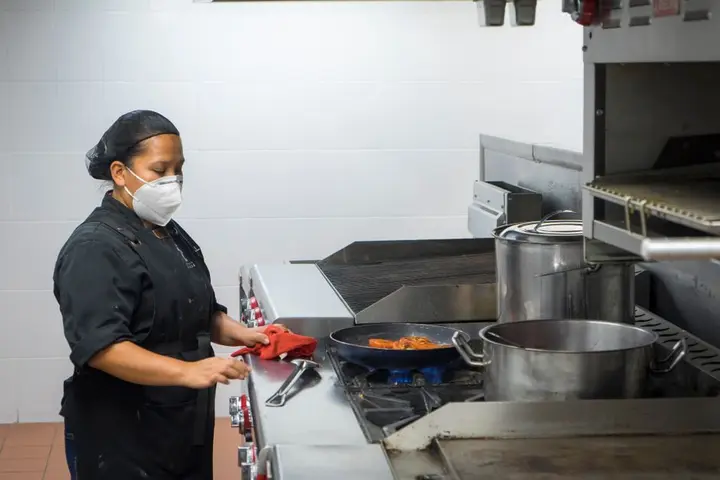
Pitfalls to avoid
Rushing through registration or supplier checks leads to gaps in compliance and potential delays during service. Take time to verify each step before moving forward. Danimarka ilanları can influence where you source equipment or space for pop-ups.
- Set quarterly checks for supplier documents.
- Keep a shared folder with all registrations and invoices.
Conflicts can arise from ambiguous terms or late paperwork. Build in reminders and check-ins to keep everything on track.
Over-reliance on a single supplier increases risk; diversify to protect against shortages or price spikes.
- Rushed registrations
- Ambiguous terms
- Single-supplier risk
- Poor record keeping
What to document for audits
Audits often favor kitchens that keep tidy records. Classify documents by type and date so you can retrieve them quickly during inspections or tax season.
Offer a simple navigator for staff: what to do if a supplier changes terms or if a document expires.
Regularly reconcile orders with invoices to catch errors before they escalate.
- Document classification
- Staff navigator
- Regular reconciliation
- Audit-ready files
Budgeting for compliance and licenses
Cost awareness for kitchens
Budgeting is a practical first step for any restaurant or home kitchen that sources ingredients from abroad. Start with licensing fees, permits, and inspection costs that apply locally. Plan for annual renewals and potential penalties so cash flow isn’t surprised by compliance needs. Danimarka'da başsağlığı ilanı
Identify recurring costs like annual licenses, safety inspections, and supplier verifications. Use a simple spreadsheet to track when licenses expire and what documents are required for renewal. This foresight keeps the kitchen running smoothly without last‑minute scrambles.
Create a buffer for unexpected regulatory changes that affect suppliers or labeling. Most cooks don’t budget for audits, but a modest contingency helps sustain operations during transitions. A clear forecast reduces stress when compliance demands shift.
- Anticipate renewal dates
- Track permit costs
- Budget for inspections
- Set aside a compliance buffer
Local customs and food culture
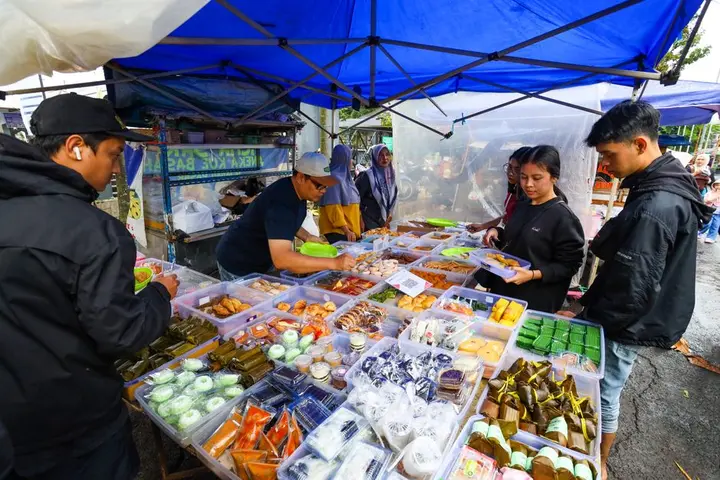
Regionally rooted dining habits
Understanding local tastes helps chefs tailor menus to serve both tradition and innovation. Observe seasonal preferences, common ingredients, and typical spice levels in markets and households. This cultural awareness can translate into authentic, respectful menu decisions.
- ☐ Learn a regional staple dish and its ingredients
- ☐ Visit a farmers market weekly
- ☐ Ask about preferred cooking methods
- ☐ Record local spice profiles
Discuss how local customs influence service style, portion sizes, and ingredient presentation. For example, some regions favor shared platters while others emphasize individual courses. Align plating and pacing with community expectations for a cohesive dining experience.
Consider how traditions shape sourcing: some areas favor small, family‑run farms and seasonal produce. Build relationships with these growers to capture freshness and story in your dishes. When you know where the food comes from, it informs both flavor and narrative on the plate.
- Observe market rhythms
- Note seasonal ingredients
- Respect portion norms
- Build local supplier relationships
Global sourcing and paperwork
Cross-border supply chains
Global sourcing can expand a kitchen’s repertoire but adds paperwork and timing challenges. Keep a master list of required documents for each supplier, including import licenses and health certificates. This clarity prevents delays at customs or dry‑storage shortages.
Coordinate orders with lead times that account for inspections, labeling, and potential weather disruptions. A predictable schedule helps you maintain menu consistency even when a shipment is delayed. Build a small buffer of staple ingredients to bridge gaps.
Explain how alternative suppliers or local‑to‑global mixes affect costs and flavor. Sometimes a local cooperative can fulfill most needs with less paperwork, while other items travel longer routes for specific traits. Weigh reliability against cost and taste when choosing routes.
- Prepare supplier dossiers
- Schedule orders with buffers
- Assess import paperwork
- Compare local vs global options
Digital tools for kitchen records
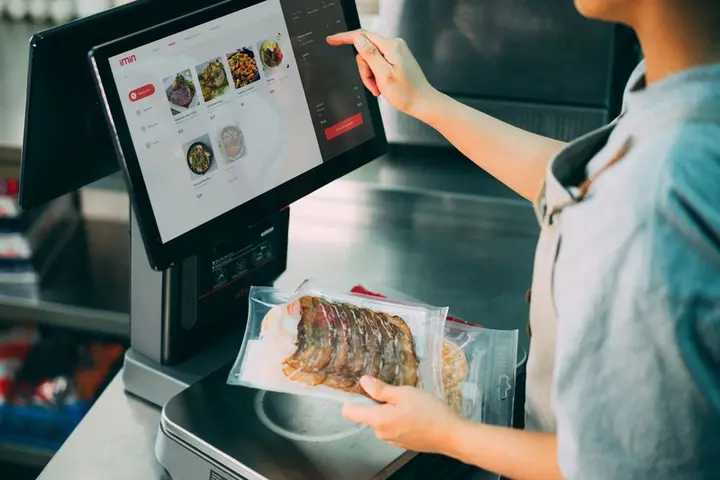
Tracking recipes and compliance
Digital records help chefs prove sourcing, safety, and recipe integrity without clutter. Start with a simple electronic log for batch numbers, supplier names, and dates received. This makes recalls and audits faster and less stressful.
Use a shared platform to keep notes on storage conditions, temperatures, and shelf life. Clear, accessible logs reduce waste by catching spoilage before it happens. Train staff to update entries after every delivery and check.
Explore apps that automate reminders for license renewals, supplier verifications, and safety trainings. Automation lowers the risk of missed deadlines and helps maintain consistent records across shifts. Choose tools that fit the kitchen’s size and workflow.
- Set up digital logs
- Record storage and expiry
- Automate renewals and reminders
Frequently asked questions
How do I start documenting supplier verification without slowing kitchen flow?
Begin with a simple checklist for each delivery: supplier name, goods received, and date. Gradually add more fields as the team adapts. A small, consistent routine beats a sprawling process that never gets used.
What if a supplier changes their paperwork mid‑quarter?
Update records as soon as you receive new documents and note the date of change. Communicate the shift to staff and adjust ordering notes to reflect the update.
How can I balance authenticity with budget when sourcing globally?
Prioritize core ingredients that define your menu’s character, then explore secondary items that offer mood or texture without inflating costs. Use seasonal local options to offset higher import prices.
Is it worth using a professional service for compliance?
For many kitchens, a light touch of expert guidance at critical moments—like onboarding new suppliers or renewing licenses—saves time later. Smaller teams often benefit most from targeted support.
Conclusion
Understanding Danimarka'da başsağlığı ilanı in plain terms helps chefs navigate regulatory landscapes that touch sourcing and labeling. The key is to map out licenses, track supplier documents, and build a culture of precise record‑keeping without stalling creativity.
Commit to a practical plan: document intake, set reminders, and use simple digital logs to keep data tidy. The discipline pays off in smoother audits, faster recalls, and more reliable menus.


